Using Spagic for Data Transformation Tasks

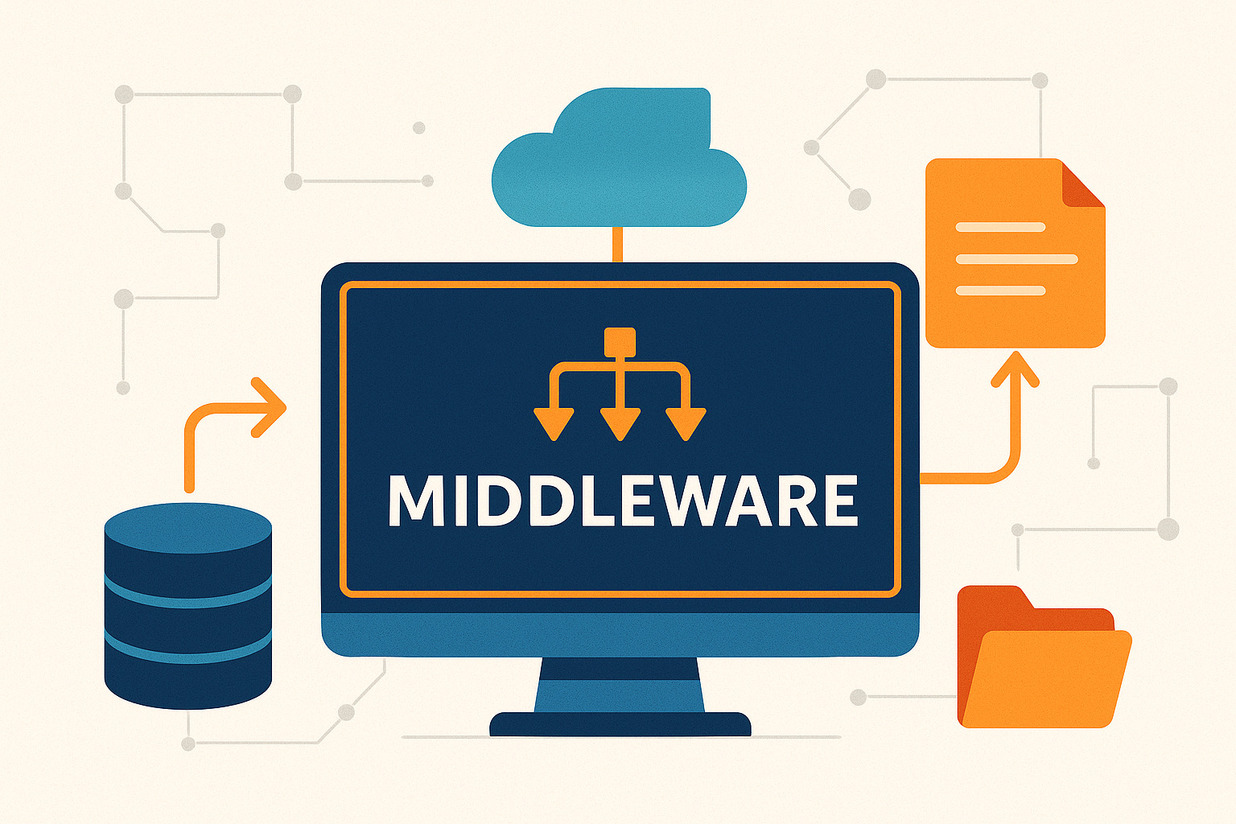
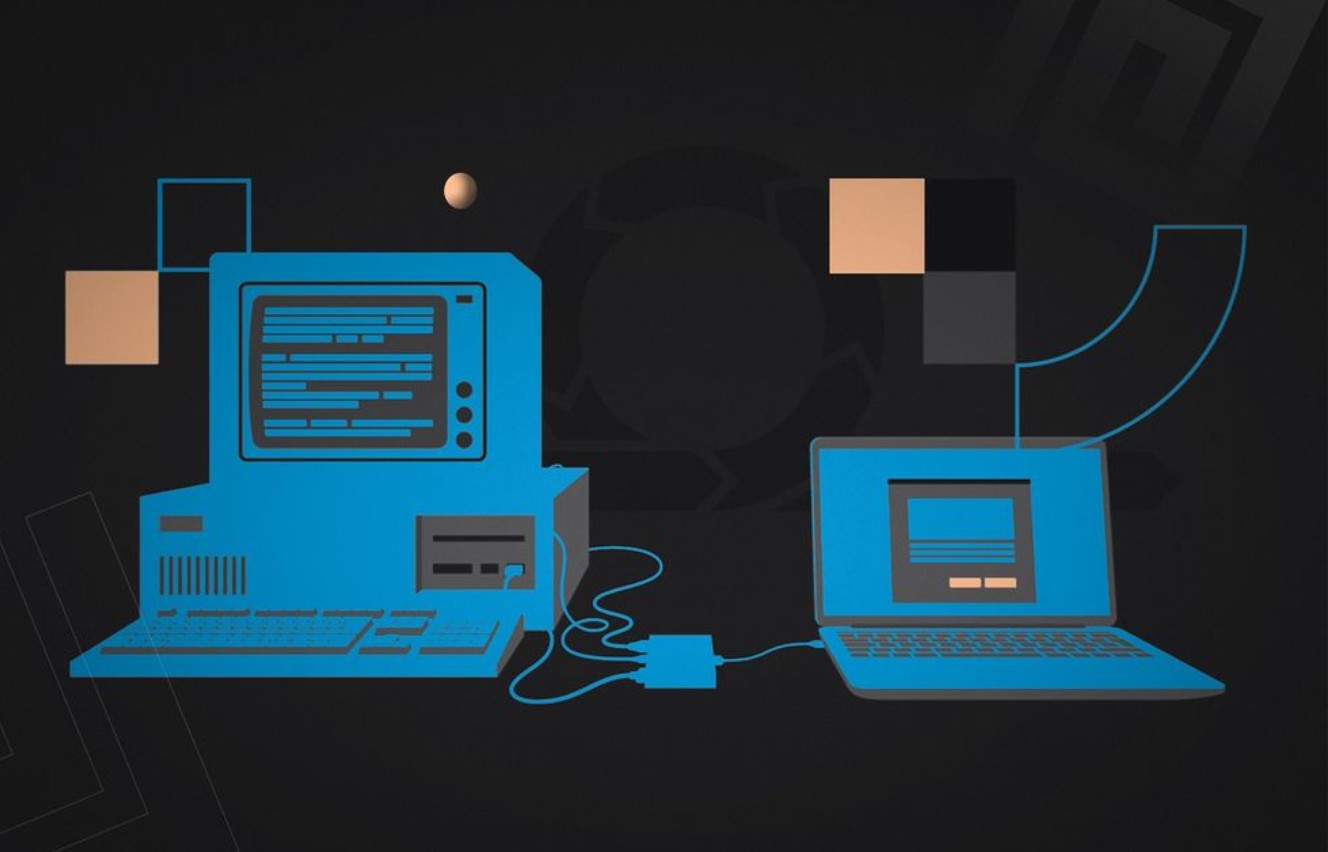
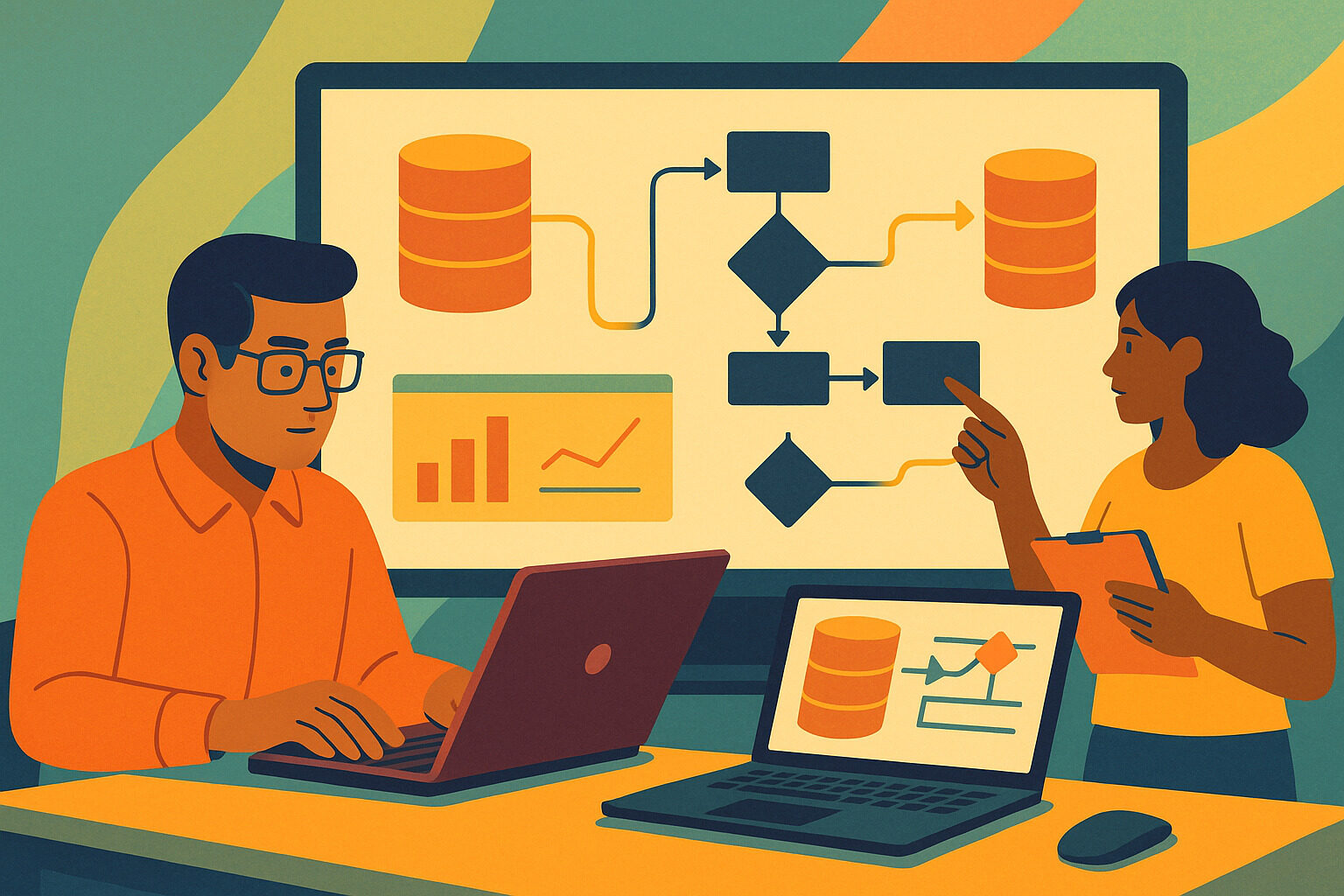
Why Spagic Matters for Modern Data Handling Managing data across different systems can get complicated quickly. Formats, protocols, and business rules rarely align neatly. This is where Spagic finds its value. It helps organizations reshape their data into useful, compatible forms that support daily operations and long-term planning. For businesses juggling multiple applications, having a […]

Continue Reading

Implementing Error Handling in Spagic Workflows

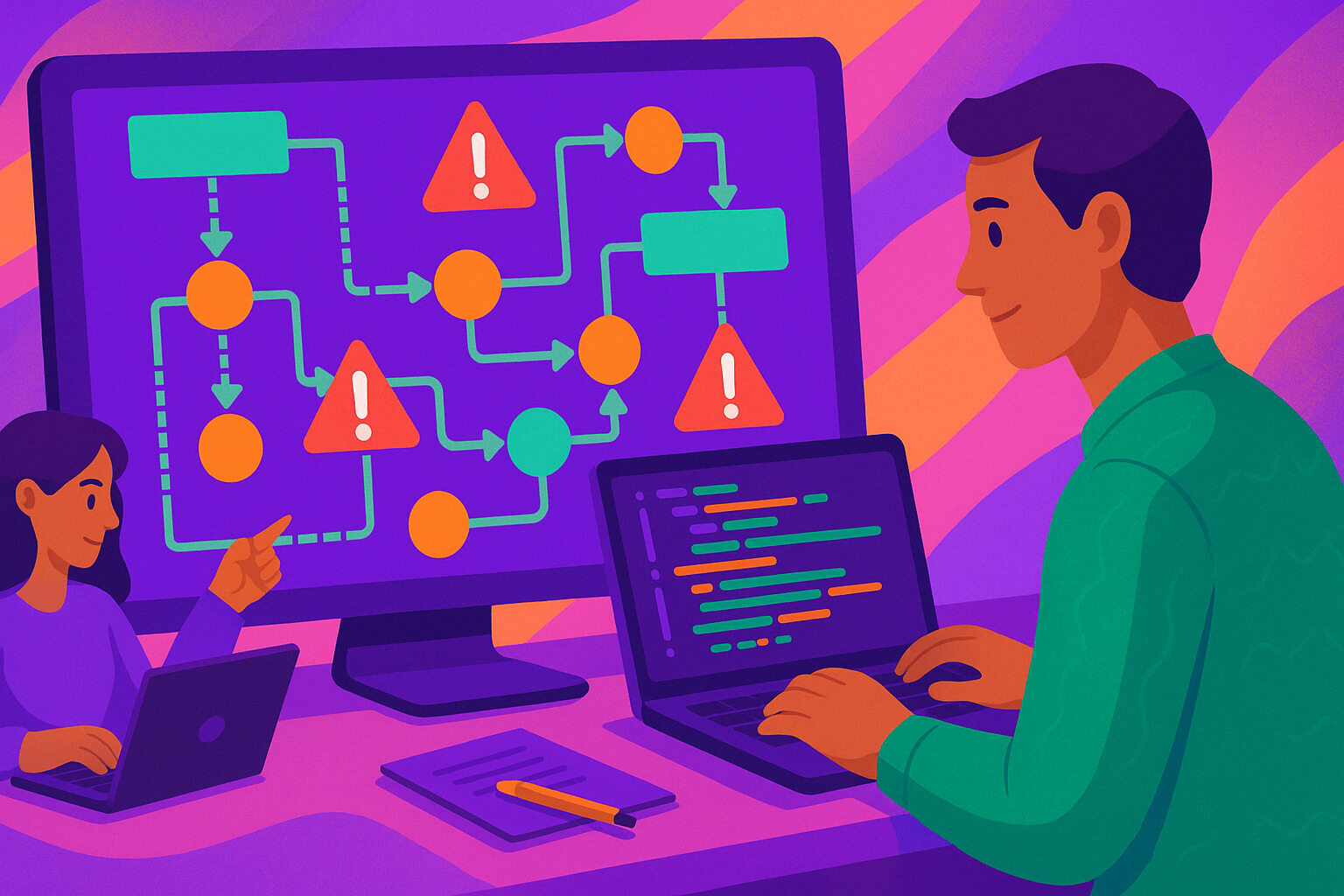
Why Handling Errors Makes a Real Difference in Workflow Stability Spagic offers powerful tools for managing automated workflows across different services. But like any system handling real-time data and service interactions, problems can arise. Error handling in this context isn’t just about fixing bugs. It’s about building trust in your system’s ability to keep working, […]

Continue Reading

Evaluating Spagic Data Security Practices

Understanding the Purpose of Data Protection in Integration Systems Spagic, as a modular integration platform, plays a vital role in managing complex processes across different services and applications. Its use of middleware makes data flow between systems smoother and more manageable. With this level of responsibility, data security must be a constant priority throughout its […]

Continue Reading

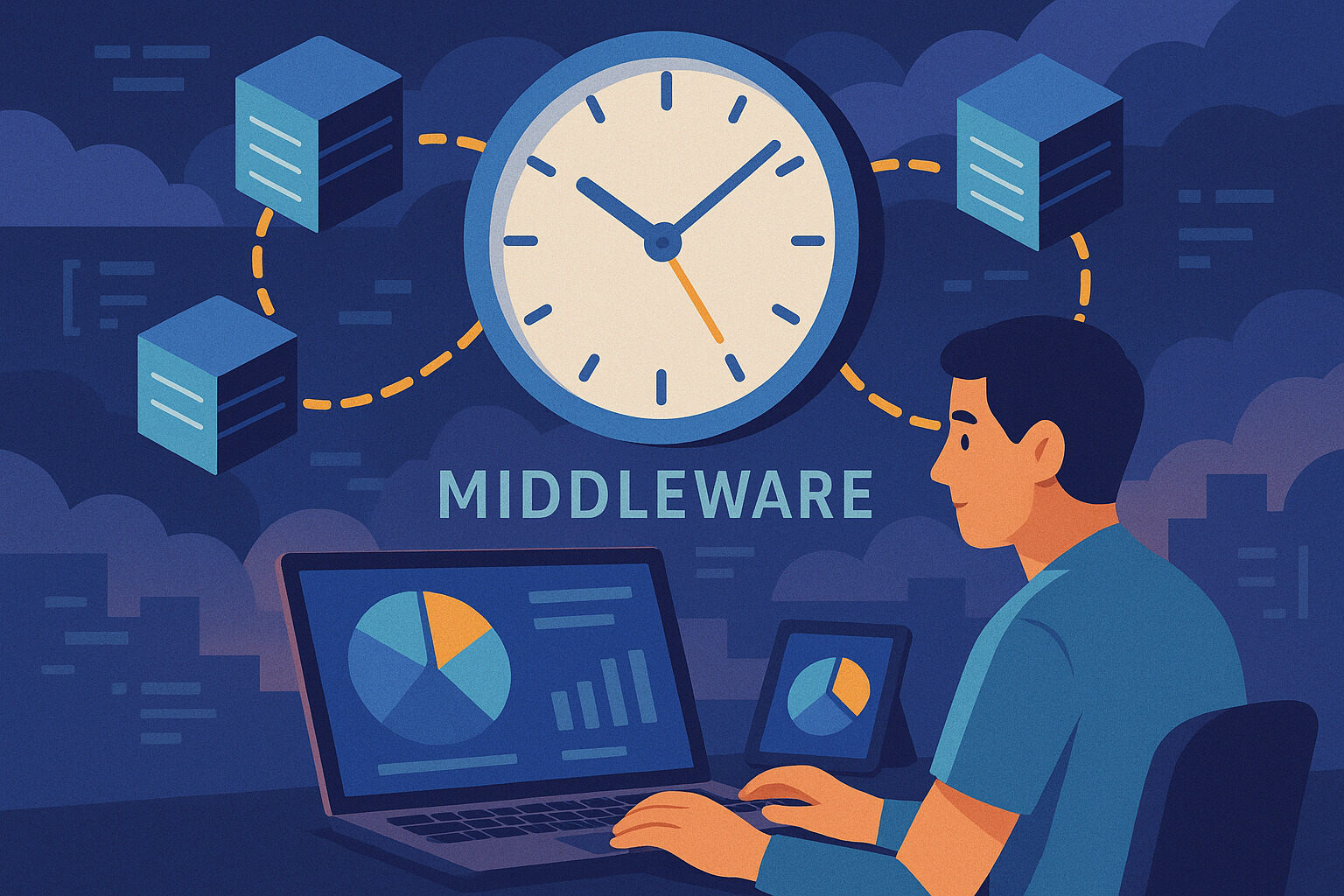
Synchronizing Time Data for Middleware Operations

Precision Timing as a Backbone of System Communication Middleware often sits in the background, quietly managing the flow of data between applications. One element that keeps this flow reliable is synchronized time. Without aligned timestamps, messages can arrive in the wrong order, logs can become confusing, and triggers may fire too early or too late. […]

Continue Reading

Comparing Spagic with Alternative Middleware

Middleware Landscape for Integration In today’s connected environments, middleware acts as the bridge that brings different systems and data sources together. Choosing the right platform can shape the success of every integration project, big or small. Spagic stands among various options, each offering unique tools and approaches. Businesses need middleware that fits their architecture, not […]

Continue Reading

Streamlining Data Integration with Spagic

Understanding the Importance of Seamless Data Integration Data integration is a vital part of running modern organizations, especially as systems multiply and data volumes grow. When different platforms cannot communicate properly, businesses face errors, inefficiencies, and lost opportunities. Spagic offers a smart approach to building reliable bridges between systems. Efficient integration allows companies to gain […]

Continue Reading

Middleware Integration Best Practices with Spagic

Planning for Clear Integration Goals Before starting any middleware integration project, it is essential to have well-defined goals. Knowing what the integration should achieve keeps the entire process on track. In Spagic, this means setting clear expectations for data movement, process automation, and system communication from the beginning. Careful planning helps avoid misunderstandings between teams […]

Continue Reading

Setting Up Monitoring for Spagic Integrations

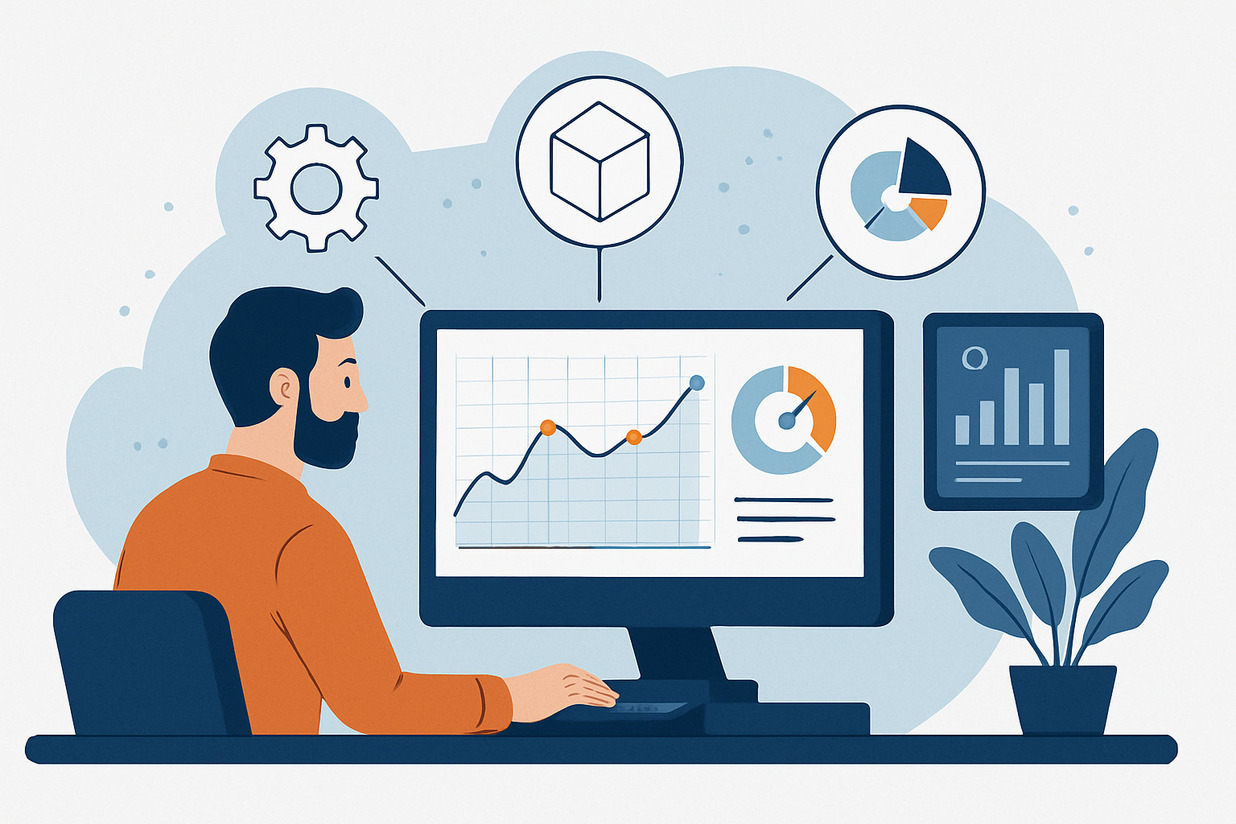
Building a Strong Foundation for Monitoring Monitoring Spagic integrations is not just about detecting problems when they happen. It’s about creating a smooth and reliable environment where integrations work as expected. When systems work together across different platforms, a small failure in one place can ripple out and cause bigger problems elsewhere. That’s why planning […]

Continue Reading

Using Postal Code Data for Geo Integration in Spagic

Harnessing the Power of Geo-Targeted Integrations in Spagic Location-based automation is becoming a cornerstone of modern business processes, enabling companies to optimize services, improve efficiency, and deliver region-specific solutions. With the rise of digital transformation, organizations now rely on integration platforms like Spagic to streamline their operations and automate complex workflows. One of the most […]

Continue Reading

Migrating Legacy Systems to Spagic

A Path to Modernization Businesses relying on outdated systems often struggle with inefficiencies, security risks, and integration challenges. As technology advances, maintaining legacy software becomes increasingly costly and complex. Migrating to Spagic, an open-source integration framework, offers a structured approach to modernization, enabling organizations to automate workflows, enhance interoperability, and improve scalability. A successful migration […]

Continue Reading