How to Integrate IoT Systems with Middleware
IoT is changing the way businesses operate, from real time monitoring to predictive maintenance. But without the right middleware, all those devices, sensors, and edge gateways can become a tangled mess rather than a cohesive system. This comprehensive guide from Spagic walks you through practical strategies to integrate IoT systems with middleware. You will find architecture patterns, security considerations, identity management approaches, and an actionable implementation roadmap that fits real world environments. Whether you are modernizing a legacy stack or building a new IoT platform, this article will help you plan, execute, and operate with confidence.
Understanding the role of middleware in IoT
What is IoT middleware
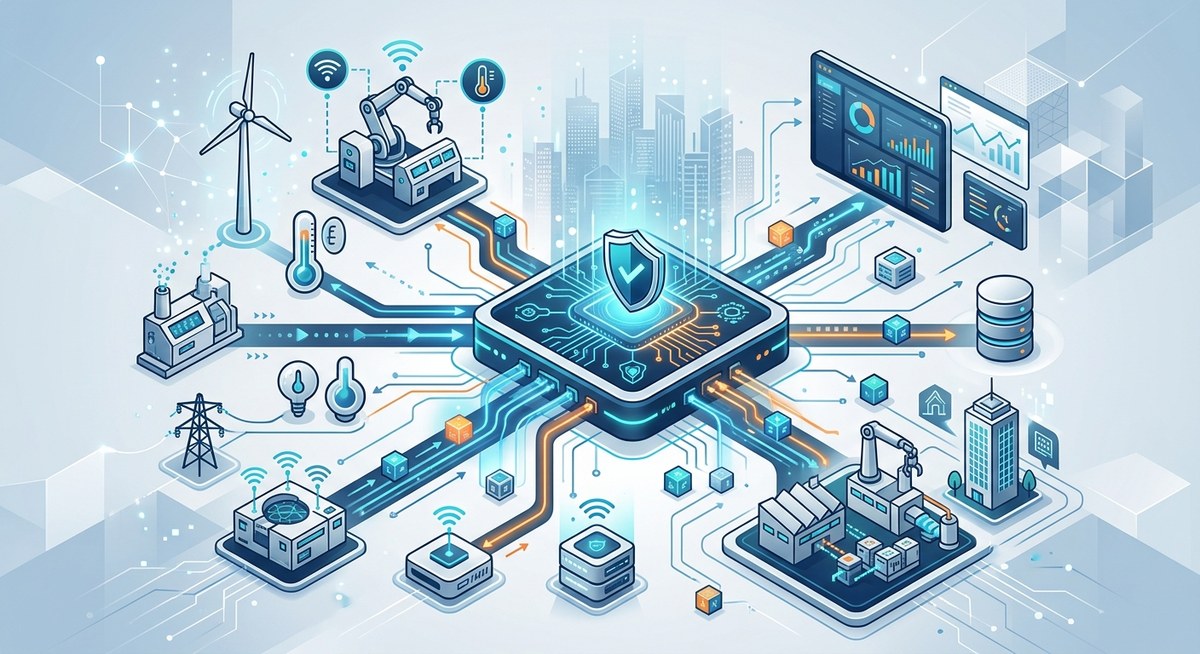
IoT middleware is the software layer that sits between devices and applications. It abstracts device heterogeneity, normalizes data, and provides services such as device management, messaging, data transformation, and security. Middleware makes it possible to connect a wide range of devices from different vendors, across various networks, and to deliver consistent data to business apps and analytics tools.
Why middleware matters for IoT
- Simplifies device onboarding and lifecycle management
- Enables scalable data ingestion from thousands to millions of devices
- Provides a unified data model so applications can reason about events consistently
- Helps enforce security policies such as authentication and device authorization
- Supports multiple protocols and data formats, reducing integration friction
- Enables edge computing when latency or bandwidth constraints require it
Choosing the right middleware type
ESB versus iPaaS versus MQTT brokers and API gateways
- Enterprise Service Bus (ESB): Great for complex, heterogeneous integration within an organization. It centralizes routing, transformation, and orchestration of messages.
- Integration Platform as a Service (iPaaS): Ideal for cloud native setups and rapid, low code to moderate code integrations across services and apps.
- MQTT brokers and protocol gateways: Essential for IoT specific messaging. They optimize lightweight publish subscribe patterns and efficient device communication.
- API gateways: Focus on exposing secure, scalable APIs to applications and external partners, with policy enforcement and rate limiting.
Patterns you will commonly see
- Hub and spoke: A central broker or gateway connects many devices to multiple applications.
- Microservices oriented: Edge services, cloud services, and data processing microservices communicate through well defined interfaces.
- Event driven: Events flowing through a message broker or streaming platform enable real time analytics and automation.
- Edge to cloud: Edge devices perform initial processing and forward only relevant data to the cloud to reduce latency and bandwidth use.
Architecture blueprint for IoT middleware
Edge computing versus cloud centralization
- Edge computing: Perform data filtering, aggregation, and some decision making near the devices. Reduces latency, conserves bandwidth, and enhances privacy.
- Cloud centralization: Provides heavy processing, long term storage, advanced analytics, and global orchestration. Supports scale and global policy enforcement.
- A balanced approach: Deploy edge capabilities for time sensitive tasks and rely on the cloud for orchestration, data science, and enterprise integration.
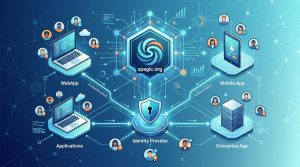
Federated identity management for devices and users
- Federated identity allows users and machines to authenticate across multiple domains using a single set of credentials.
- Benefits include simplified access control, improved security posture, and better auditing.
- Implement using standards such as SAML, OAuth2, and OpenID Connect for human users, and device certificates with mTLS for machines.
LDAP authentication and directory services
- LDAP can serve as a central directory for device and user identities, credentials, and group policies.
- For IoT, consider extending LDAP with device principals and scoped access controls.
- Maintain strong password hygiene, regular credential rotation, and clear role based access controls.
Data modeling and communication patterns
Data formats and schemas
- JSON: Easy to use, widely supported, but verbose.
- Protobuf: Efficient binary format with strong schema enforcement.
- CBOR: Compact binary format suitable for constrained devices.
Protocols and messaging patterns
- MQTT: Lightweight publish subscribe protocol ideal for IoT. Supports QoS levels for reliability.
- AMQP: Rich messaging protocol with advanced routing capabilities, better suited for enterprise messaging.
- CoAP: Lightweight HTTP like protocol designed for constrained devices.
- REST/HTTP: Useful for standard web based integrations and APIs.
Data governance and security considerations
- Define a common data model to ensure consistent interpretation of sensor data across apps.
- Enforce data privacy and retention policies, especially for sensitive data.
- Use encryption in transit (TLS) and at rest where feasible. Apply least privilege principles for data access.
Step by step implementation roadmap
1. Inventory devices and protocols
- List all devices, gateways, and edge nodes.
- Note supported protocols (MQTT, CoAP, HTTP, AMQP) and data formats.
- Identify critical devices that require high reliability or low latency.
2. Define integration scenarios
- Real time monitoring and alerting
- Predictive maintenance using streaming analytics
- Operational reporting and dashboards
- Remote device provisioning and OTA updates
3. Select the middleware type
- Choose a core middleware pattern that aligns with your needs (ESB, iPaaS, or MQTT broker based on scale and complexity).
- Consider edge gateways for latency sensitive tasks and cloud services for heavy processing.
4. Design data flow and security model
- Map device data to a canonical data model.
- Define data transformations and enrichment points.
- Establish authentication and authorization flows for devices and users.
5. Implement security baseline
- Use TLS for all network communications.
- Implement mTLS for mutual authentication between devices and gateways.
- Apply OAuth2/OpenID Connect for user facing APIs; use short lived tokens and refresh tokens.
- Maintain device certificates and automate renewal.
6. Plan identity management
- Deploy federated identity for users across apps.
- Integrate LDAP as a directory when appropriate for internal users and devices.
- Create a device identity strategy including provisioning, rotation, and revocation.
7. Deploy edge compute strategy
- Determine which data processing tasks happen at the edge versus in the cloud.
- Implement edge software that can operate offline and synchronize when connected.
8. Implement data governance and lifecycle policies
- Define data retention windows by data type and regulatory needs.
- Establish data quality checks and schema versioning.
- Implement data lineage tracing from device to analytics outputs.
9. Build observability and monitoring
- Instrument devices and middleware with telemetry, metrics, and logs.
- Use dashboards to monitor throughput, latency, error rates, and device health.
- Set up alerting for critical thresholds to enable rapid remediation.
10. Plan rollout and migration
- Start with a small pilot to validate architecture and operations.
- Incrementally onboard devices and gradually migrate workloads.
- Establish rollback plans and backout procedures if needed.
Security considerations that matter
Authentication and authorization
- Ensure every device has a unique identity and enforce device level access control.
- Use role based access control for users and fine grained permissions for services.
- Regularly review access policies and adjust as devices are added or decommissioned.
Encryption and key management
- Encrypt data in transit and at rest.
- Use secure key management practices, rotate keys periodically, and store keys in a dedicated vault.
Threat modeling and resilience
- Identify potential attack surfaces including device implants, gateway miss configurations, and cloud exposure.
- Build defense in depth with segmentation, anomaly detection, and strict policy enforcement.
- Plan for incident response and recovery, including backups and disaster recovery tests.
Operational considerations for long term success
Maintenance and updates
- Establish a predictable update cadence for devices and middleware.
- Use safe OTA update mechanisms with rollback in case of failure.
- Monitor for version drift and enforce compatibility rules.
Scalability and performance
- Design for horizontal scaling of middleware services.
- Use streaming data platforms and fan out to multiple consumers if needed.
- Implement back pressure handling to prevent downstream overloads.
Compliance and auditing
- Maintain auditable logs of device events, user actions, and policy changes.
- Enforce data residency requirements and cross border data movement rules where applicable.
Cost management
- Right size middleware components and leverage autoscaling where appropriate.
- Consider data pruning and tiered storage strategies for cost efficiency.
Bridging legacy systems with modern IoT middleware
- Inventory legacy systems and identify integration points such as data brokers or message queues.
- Plan incremental adapters to translate legacy data to your canonical model.
- Use middleware abstraction layers to decouple legacy endpoints from new IoT processes.
- Establish a phased upgrade path to reduce risk and maintain business continuity.
Cross time zone scheduling and orchestration
- For global deployments, implement a time zone aware scheduling layer to manage events and maintenance windows.
- Use universal time coordination internally but present schedules in local time for operators.
- Align time based triggers with daylight saving changes to avoid unexpected behavior.
A practical scenario you can relate to
Imagine a manufacturing facility with thousands of sensors on machines, plus an older ERP system that cannot be replaced quickly. The facility adopts an IoT middleware platform that:
- Connects devices via MQTT to a local gateway, which performs initial filtering
- Streams data to a cloud based analytics service for long term trends
- Uses LDAP to authenticate technicians who access dashboards and device management consoles
- Enforces federated identity so that engineers can sign in once to access multiple tools
- Applies OTA updates to devices through a secure channel
- Provides a centralized data model so dashboards and planning tools interpret data consistently
The result is a scalable, secure, and auditable integration that respects the legacy system while enabling modern analytics and automation.
Best practices and common pitfalls
- Start small with a tightly scoped pilot and gradually scale.
- Do not hide complexity behind a single monolithic middleware solution. Use modular components.
- Keep data formats consistent and versioned to prevent breaking changes.
- Invest in strong device identity and robust security practices from day one.
- Plan for edge computing as a first class citizen, not an afterthought.
- Regularly review access policies and monitor for anomalous behavior.
Common pitfalls to avoid include over engineering the middleware layer, neglecting edge capabilities when latency matters, and underestimating the importance of data governance and lifecycle management.
Tools and resources you can leverage
- Middleware patterns and reference architectures to guide design decisions
- Edge gateways and secure provisioning tools
- Open standards for identity and device management
- Lightweight communication protocols suited for constrained devices
- Platform specific modules for device onboarding, OTA updates, and monitoring
Note: Spagic is a middleware education platform designed to help you learn and implement integration strategies. Use this article as a practical blueprint you can adapt to your environment.
Final checklist before you begin
- [ ] Inventory all IoT devices, gateways, and protocols
- [ ] Define concrete integration scenarios and success metrics
- [ ] Choose a middleware pattern aligned with your needs
- [ ] Establish a secure identity management strategy for users and devices
- [ ] Implement a clear data model and data governance policy
- [ ] Plan edge and cloud architecture with a balanced approach
- [ ] Develop an incremental rollout plan with a pilot
- [ ] Set up observability, monitoring, and incident response
- [ ] Prepare for future scale and ongoing maintenance
- [ ] Document decisions and update the playbook as you evolve
If you are building or migrating an IoT initiative, the middleware layer is your friend. With thoughtful design, layered security, and a clear governance model, you can turn a patchwork of devices into a dependable, scalable, and secure system that delivers real business value. This guide from Spagic provides a practical, hands on approach that can adapt to your organization, whether you are bridging legacy systems or architecting a next generation Industrial IoT platform.